
Each photograph is carefully printed by Lebolabo, a renowned fine art laboratory based in Bordeaux and certified by Epson, Canson, and Hahnemühle. These certifications reflect a high level of technical mastery and a commitment to the most demanding standards of fine art printing, color accuracy, and archival conservation.
Fine art photography printing is using premium pigment inks on museum-quality fine art papers, then carefully controlled through every stage of the process to ensure a final result that remains faithful to the emotion, texture, and atmosphere of the original photograph.
All my artworks are released as limited editions of 15 or 30, based on Collection, individually numbered, signed, and delivered with a certificate of authenticity.
Fine art photography printing is a meticulous printing process designed for collectors, exhibitions, galleries, and archival preservation. Unlike standard photographic printing, fine art printing focuses not only on image quality, but also on emotional depth, material presence, texture, and longevity.
A true fine art print is created using archival pigment inks combined with carefully selected papers made from cotton or natural fibers. These materials allow for deeper blacks, smoother tonal transitions, richer color rendering, and exceptional detail retention.
Fine art papers are also acid-free and designed for long-term conservation, allowing the artwork to maintain its quality for decades, often exceeding 100 years under proper conditions.
Beyond technical quality, fine art printing transforms a photograph into a physical object with presence — something that can be felt, experienced, and lived with over time.
What Makes a Paper “Fine Art”?
A paper is considered Fine Art according to several strict standards related to its composition, texture, durability, and printing performance.
Fine art papers are generally made with high percentages of cotton or natural fibers, often 100% cotton. They are acid-free, free from optical brighteners, and specifically designed for archival conservation.
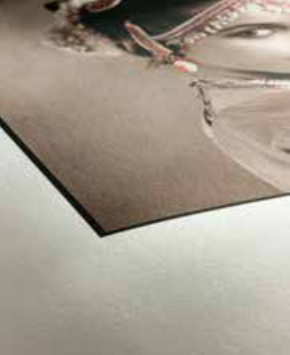
Unlike standard photo papers, fine art papers offer a tactile and organic surface that interacts with light differently, giving each photograph a unique emotional presence. Some papers reveal deep contrast and luminous blacks, while others emphasize softness, texture, and subtle tonal transitions.
The choice of paper becomes part of the artistic process itself, influencing how the image is perceived emotionally and physically.
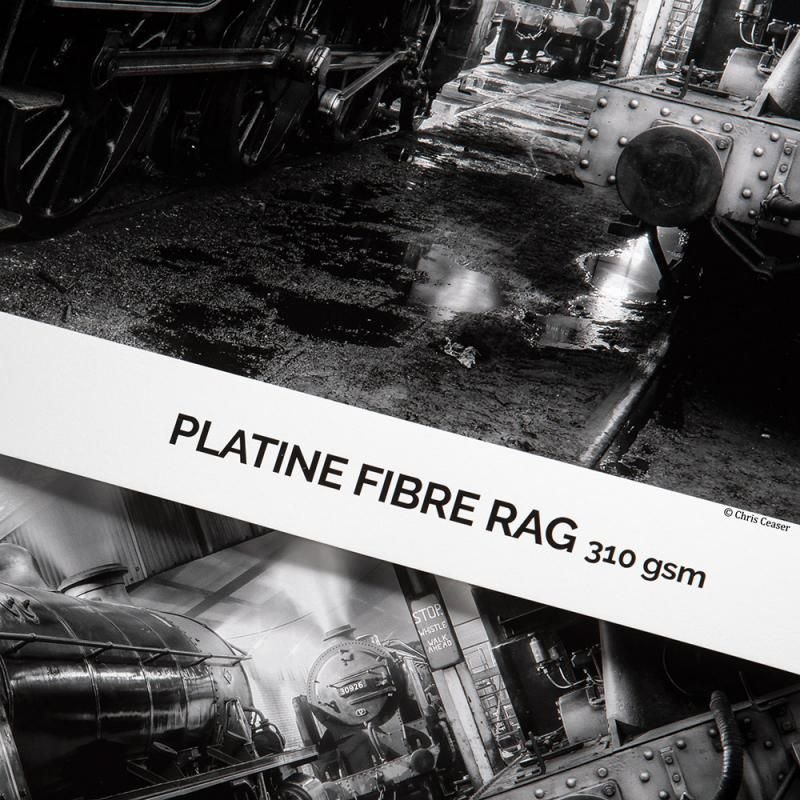
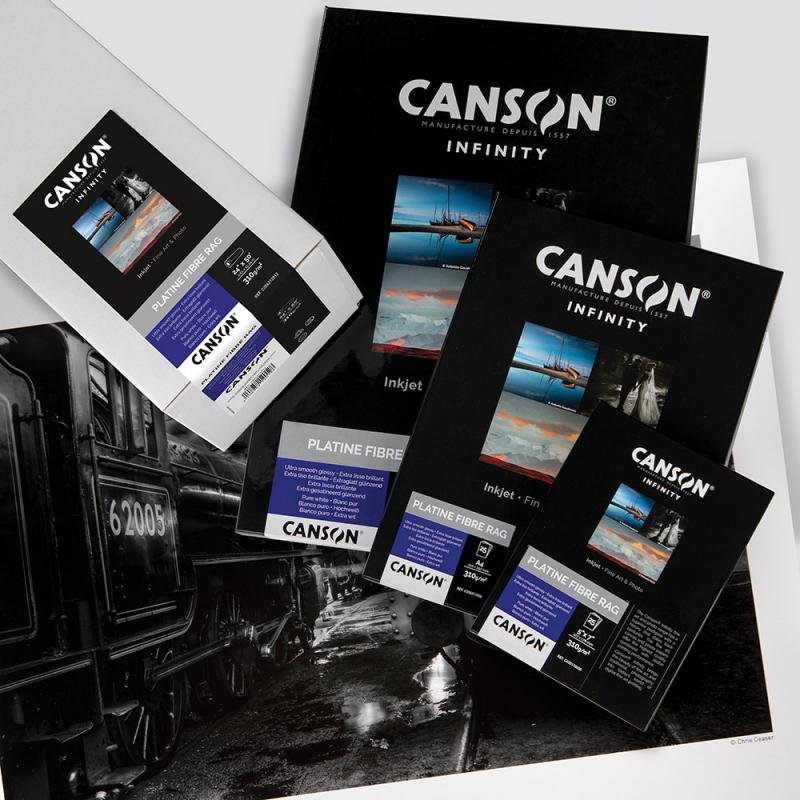
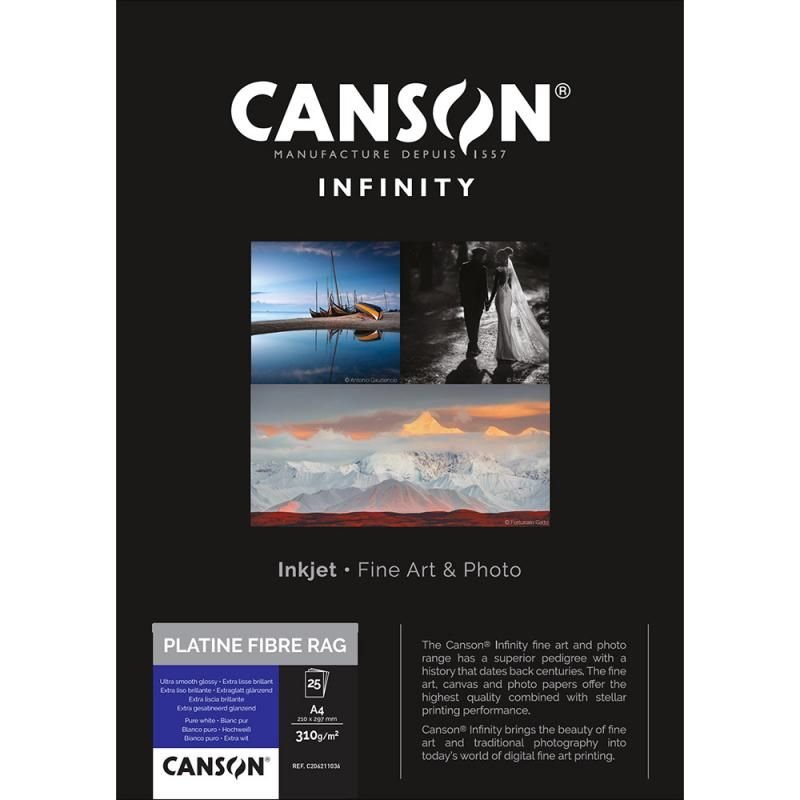
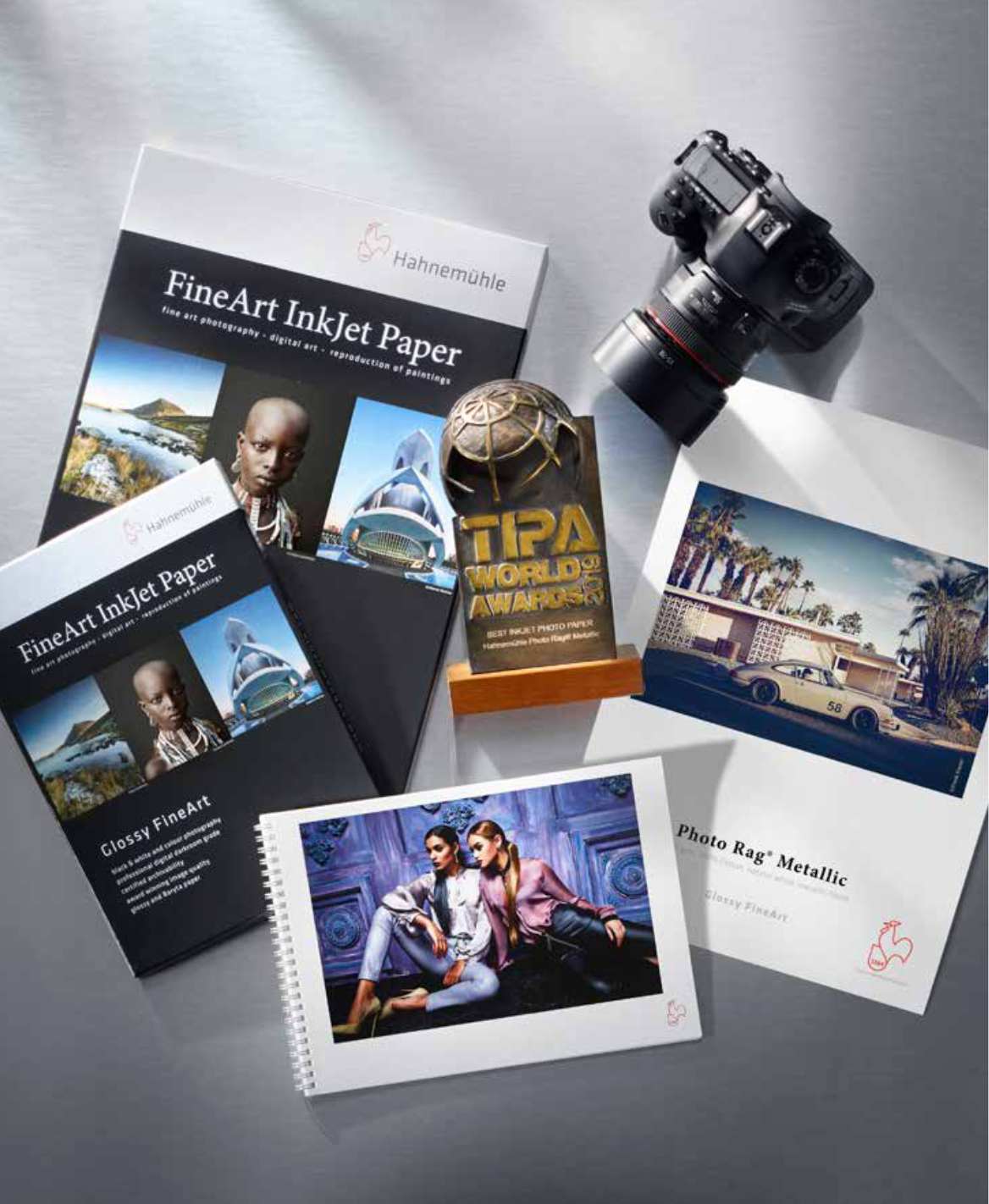
Canson Baryta Platine Fibre Rag 310gsm
A powerful and expressive paper with a refined baryta surface and subtle glossy finish. This paper offers strong contrast, rich blacks, luminous highlights, and exceptional depth.
Its smooth texture and high density create a striking visual impact, making it particularly suited for photographs with dramatic light, emotional intensity, and strong visual presence.
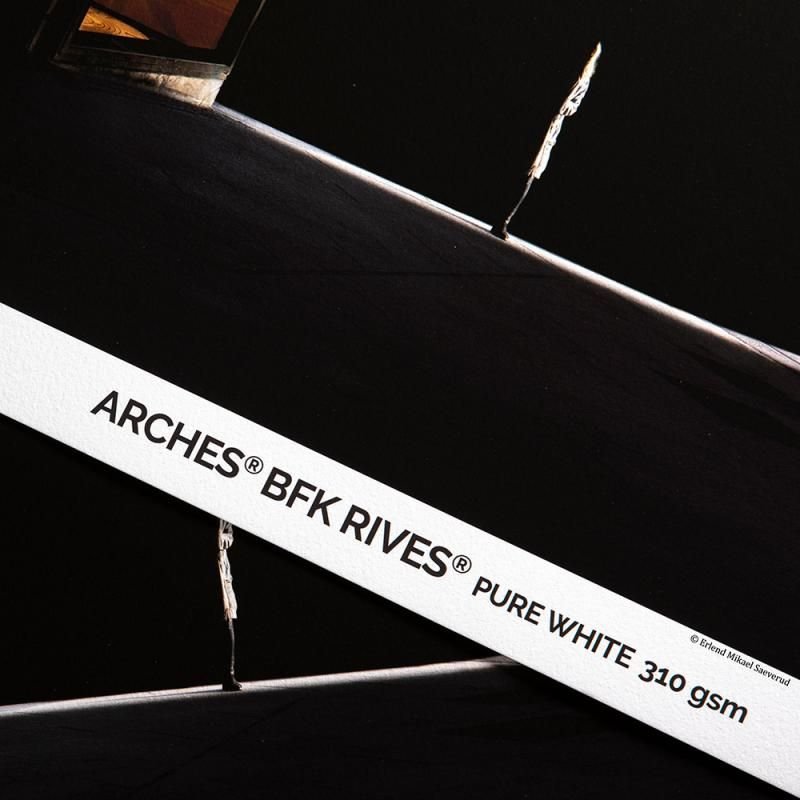
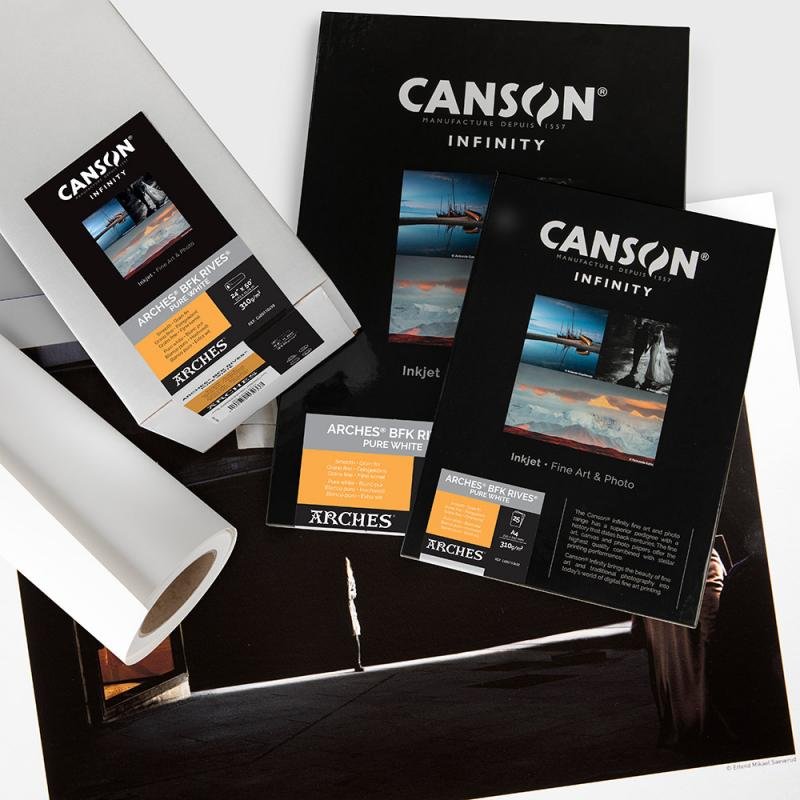
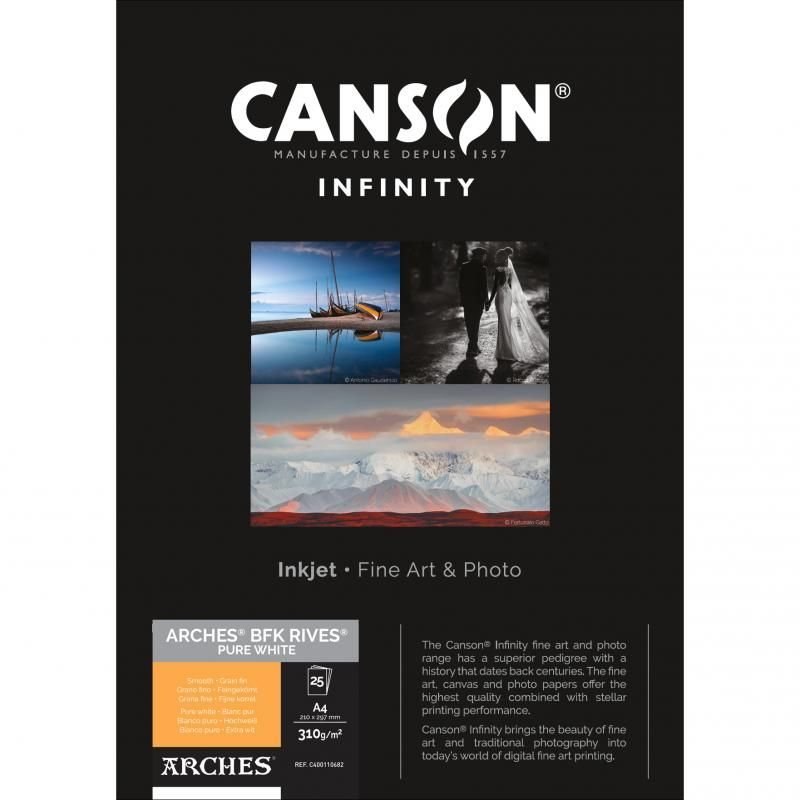
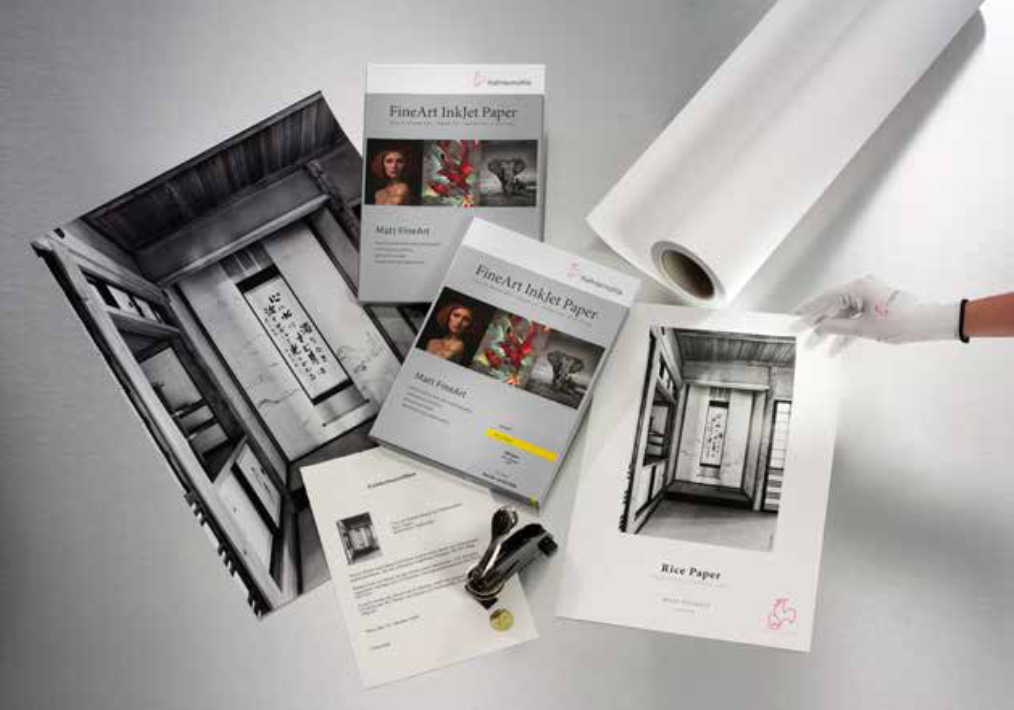
Canson Arches BFK Rives Pure White 310gsm
An iconic textured fine art paper inspired by traditional printmaking papers used by artists for centuries.
Its tactile surface brings an organic and artistic feeling to the image, emphasizing texture, movement, imperfection, and emotion. The paper absorbs light softly, creating a more intimate and painterly rendering.
This paper is chosen for photographs that seek presence beyond sharpness — images meant to be felt as much as seen.
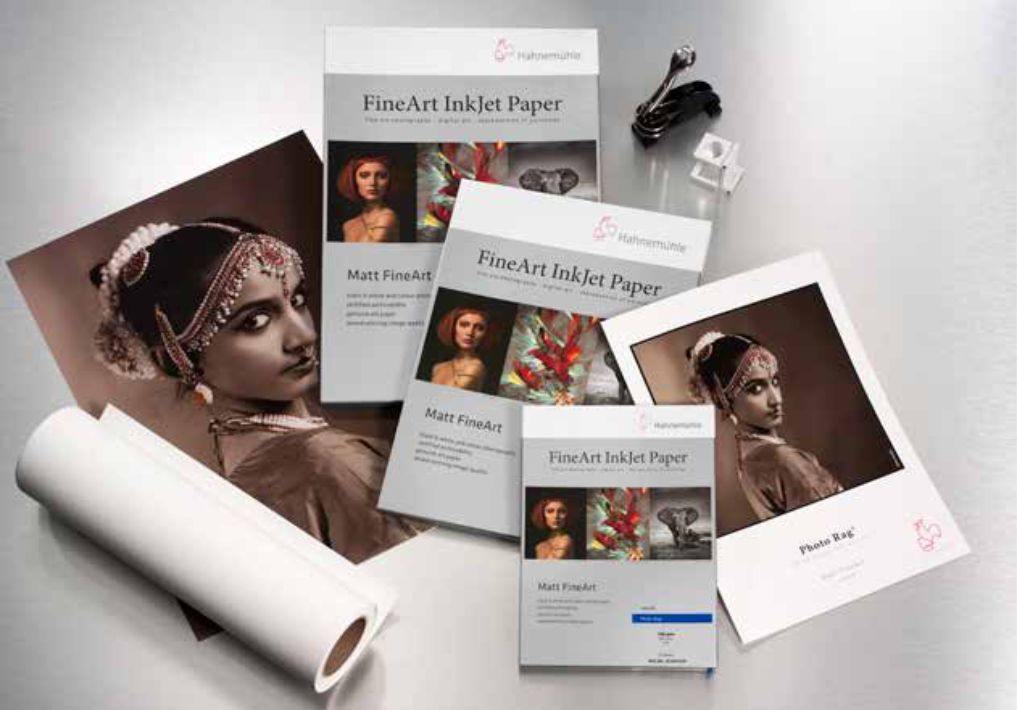
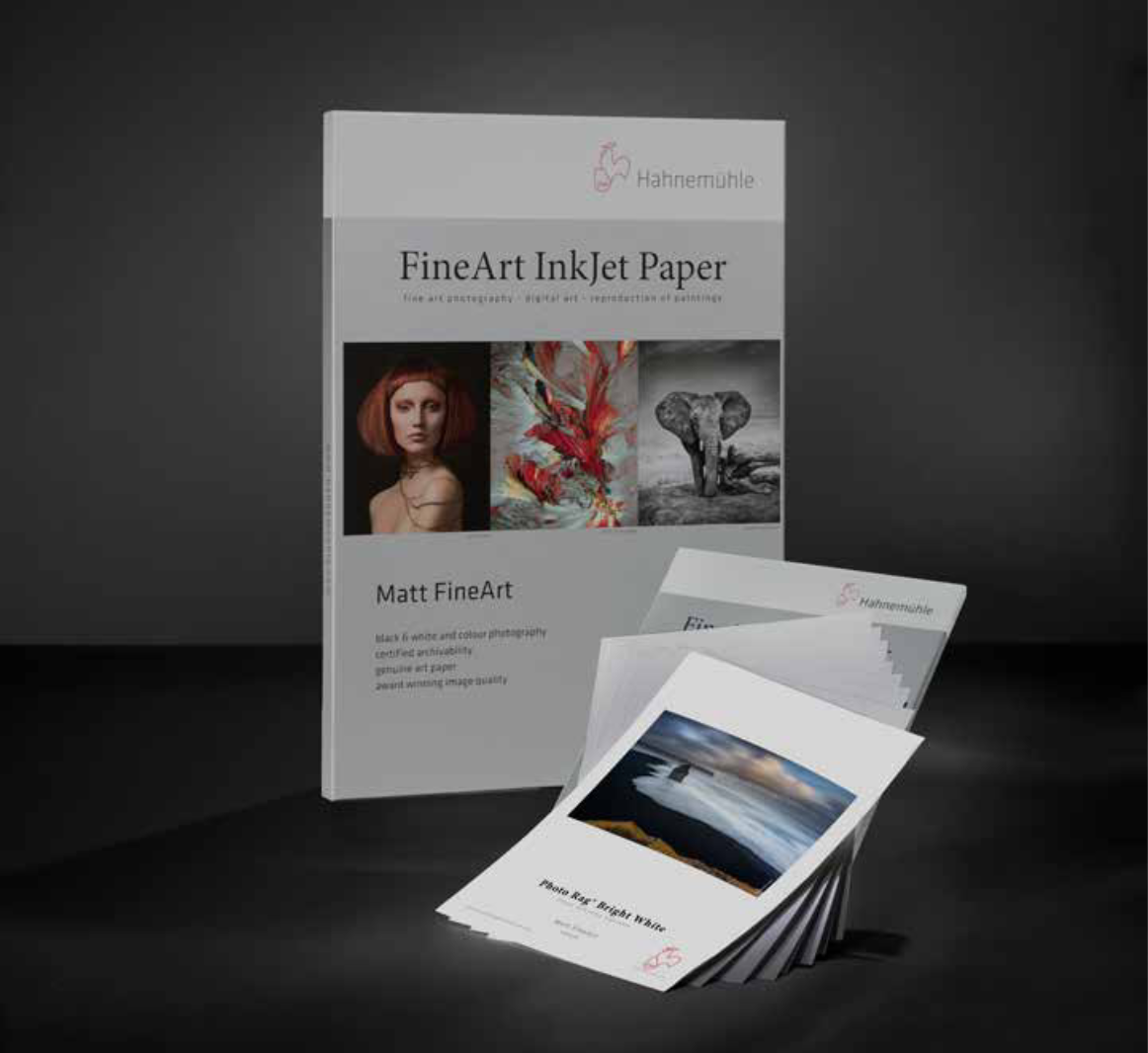
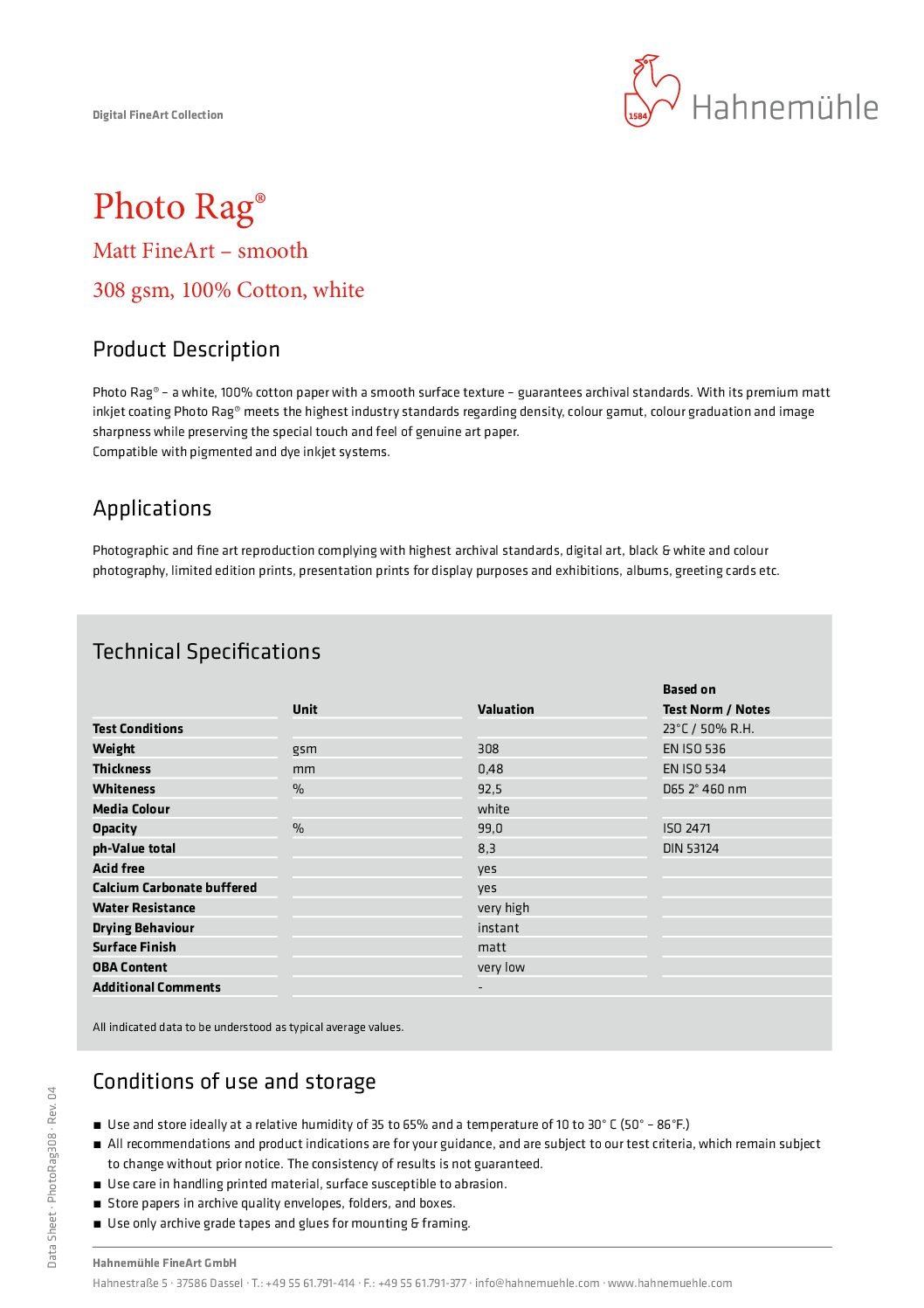
Hahnemühle Photo Rag 308gsm
A timeless classic in fine art photography printing.
Soft, balanced, and subtle, Hahnemühle Photo Rag is known for its smooth matte surface, delicate tonal transitions, and natural rendering. It creates a quiet elegance where details emerge gently without excessive contrast.
Its neutrality allows the photograph itself to breathe naturally, making it one of the most respected papers among photographers, galleries, and museums worldwide.

For monochrome works, Lebolabo uses the Piezography Pro system on Epson P9900 printers.
Unlike traditional black-and-white printing, which mainly relies on standard black and gray inks, Piezography uses multiple shades of gray inks to produce exceptionally refined tonal gradations.
This process allows:
The result is a black-and-white print with extraordinary depth, precision, and emotional subtlety, remaining faithful to the atmosphere and intention of the photograph.
An Ecological Approach.
The selected print formats are designed to optimize paper cutting and reduce unnecessary waste during production.
This thoughtful approach values every centimeter of fine art paper while maintaining the highest standards of craftsmanship and quality, combining artistic intention with a more conscious and responsible production process.
Select Date & Time
Your Reservation
Location
{location_name}Clients
Photographer
{employee_name}Price
{reservation_price}Total: €0
Your cart is currently empty!
Notifications